One-of-a-kind wallpaper, made for your space

Get In Touch
- 2600 Mission Street, Suite 203, San Marino, CA 91108
- Store Hours:
Mon - Sat : 8am - 5pm
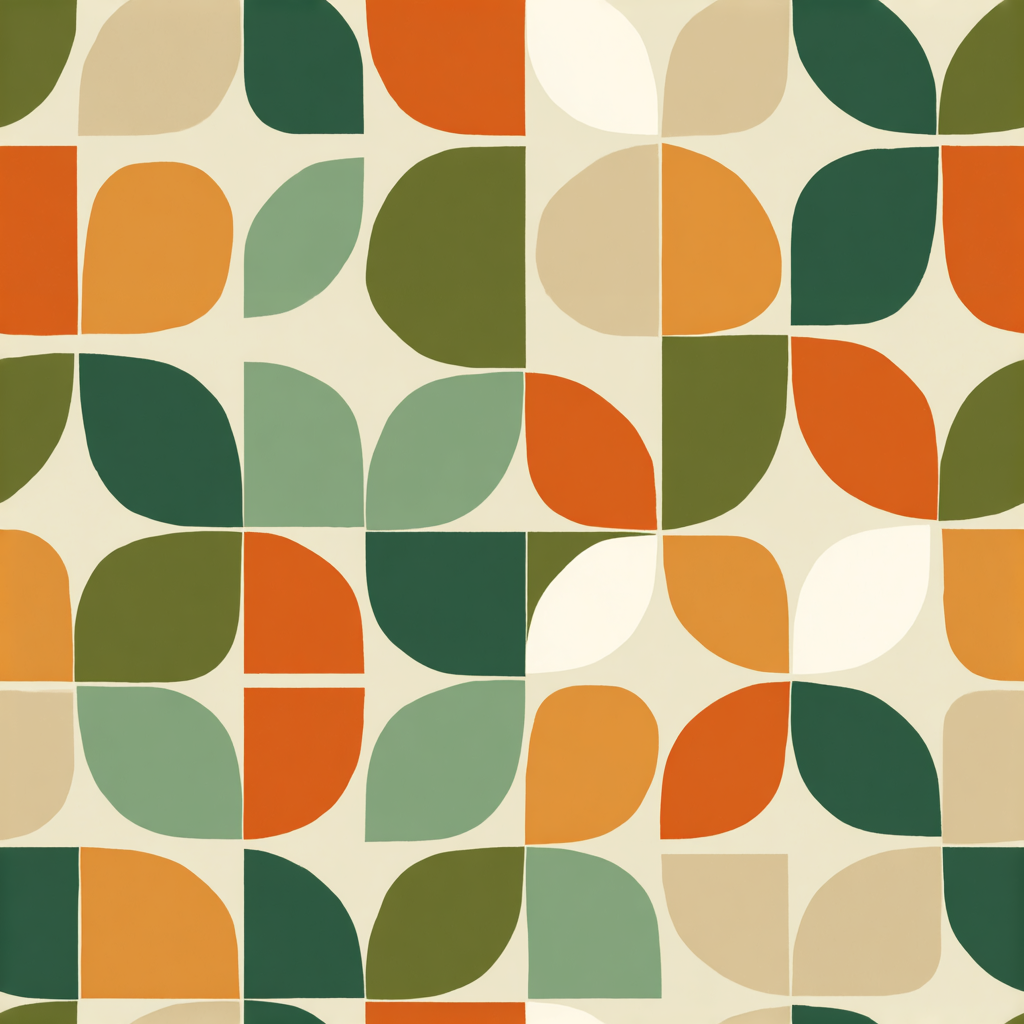
Geometric wallpaper begins with shape, spacing and rhythm. An Art Deco direction might use fans, arches or stepped forms, but your wall does not need to look like a room from another era. Start with the shapes you enjoy, choose a palette that belongs in your space, and create a pattern around your own idea.
Choose one leading shape before adding more detail. Try tall arches for a vertical rhythm, overlapping fans for a layered effect, or stepped rectangles for a more angular composition. Describe whether the lines should be fine or bold and whether the spaces between them should feel open or dense.
A starting idea could be: broad ivory arches on a deep blue background, with small ochre accents and generous spacing. Enter your version in the design studio, then compare the directions it creates. Your brief should guide a new design, not ask for a replica of a familiar wallpaper.
Start with the finishes already in the room. Dark timber might suggest a warm cream background, while cool upholstery could lead toward blue, gray or muted green. Decide whether the wallpaper should repeat an existing color or introduce a contrasting one.
You can describe gold-colored lines if you want that palette, but a gold color in an image is not a metallic finish. Keep the design decision separate from the physical material. If a reflective effect matters to the project, confirm what is actually available before placing an order.
Geometric designs make spacing easy to notice. Look at how many arches or fans would be visible above a sofa or console, not just how the motif looks alone. A larger shape creates a different rhythm from a tightly repeated one. Compare both directions against the room's main furniture before choosing.
Take doors, windows and wall-mounted objects into account. If the room has a strong central feature, decide whether the pattern should relate to that center or simply continue across the wall. Review the layout before cutting or hanging. Do not assume a corner or ceiling is a reliable vertical reference for the first strip.
A striking pattern does not determine surface suitability. Check the selected wallpaper instructions and wall condition before ordering. Our installation guide covers preparation and care, while how to hang wallpaper explains the general process. Careful pattern planning matters particularly when straight lines meet at adjacent strips.
No. Try cream and green, blue and ochre, or a single color in different tones. The shapes and arrangement can carry the style without a conventional palette.
Yes, as a design direction. Choose the wall you want to emphasize, then check its dimensions, openings and surface before selecting a material.
Do not assume that they will. Printed color and a metallic surface are different things. Confirm the physical finish separately if shine is important to your design.
Name the main shape, background color, line color and desired spacing. Add the room and the furniture that the wallpaper should work with.